Showing posts with label sanctuaries. Show all posts

Sunday, June 28, 2009

Kaziranga: Wildlife Trove


Located on the edge of the Eastern Himalayas, Kaziranga National Park is a national park in the state of Assam. A World Heritage Site, the park hosts two-thirds of the world's Great One-horned Rhinoceroses. Kaziranga boasts the highest density of tigers among protected areas in the world.


Situated on the banks of the mighty Bramhaputra river Kaziranga National Park is spread in an area of approximately 430 sq.kms. The park is home to large breeding populations of elephants, wild water buffalo, and swamp deer.


Sight seeing and elephant safaris are also organised by the forest authorities. Tourists can also stroll in the nearby coffee, rubber and tea plantations.


Kaziranga National Park, which make green a vivid colour, showcases a perfect balance in all its hues and shades.


An elephant safari in the valley exudes extreme bliss, with the whispering meadows to accompany you. The air around you will give a feeling of wonderment.


The best time to visit Kiziranga national park is mid-November to early April.


Kaziranga is a vast expanse of tall elephant grass, marshland, and dense tropical moist broadleaf forests, crisscrossed by four major rivers, including the Brahmaputra, and the park includes numerous small bodies of water. Kaziranga has been the theme of several books, songs, and documentaries. The park celebrated its centennial in 2005 after its establishment in 1905 as a reserve forest.


 The lazy mountains will make you ponder; and tempt you to stay there forever.


Travellers Info:

Kaziranga is easily accessible through all the three modes of transport and is 217 kms from Guwahati and 97 kms away from Jorhat, the nearest major town from Kaziranga.

By Air: Guwahati, is connected through major cities in India from there you can take a connecting flight to Jorhat airport.After reaching the main town you can book a Car/ Jeep till Kaziranga.

By Rail cum Road: Guwahati is connected by rail from major cities in India. From Guwahati you can catch another train till Furkating, the nearest station from Kaziranga, which is 75 kms away from the wildlife park. The main road that connects Kaziranga Wildlife Sanctuary is the NH-37 and you can hire a cab/Jeep from Guwahati for the entire trip.

By Bus: Daily bus services deluxe/ordinary from ISBT Guwahati till Jorhat from where you can book a Car/ Jeep till Kaziranga.

Ample accommodation facilities can be availed at the park.
. . .

Sunday, February 8, 2009

Deepor Beel: Bird Lake


Deepor Beel is a a huge stretch of wetland with the presence of a permanent freshwater lake, in a former channel of the Brahmaputra River, to the south of the main river near Guwahati in Assam.


This permanent water body attracts a large number of migratory birds and home to numerous rare species of fishes and other water creatures. The Beel is a natural habitat to many varieties of birds. 219 species of birds including more than 70 migratory species are reported in the beel area. The largest congregations of aquatic birds can be seen, particularly in winter, with a reported recorded count of 19,000 water birds in a day. 


The overall view of the Deepor Beel is so fascinating that it has emerged as a major tourism attraction in the city. The wetland of Deepor Beel is a haven for the nature lovers.


. . .

Wednesday, November 21, 2007

Sunderbans: Beautiful Forest


Sunderbans, located at the Southern fringe of West Bengal, India is an enchanting land of rich bio-diversity, natural flora and fauna and dense mangrove forests. The Sunderbans embedded with 102 islands amidst the emerald estuarine waters of the tributaries of the Bhagirathi and the Bay of Bengal is the largest delta, the largest Mangrove Swamp and the largest Estuarine National Park in the World.


Sunderbans as the name suggest means beautiful forest in Bengali. It is called so because of the long stretch of mangrove (sundari) trees and a perfect example of how beautiful nature can be when left alone by the ever growing human occupation.


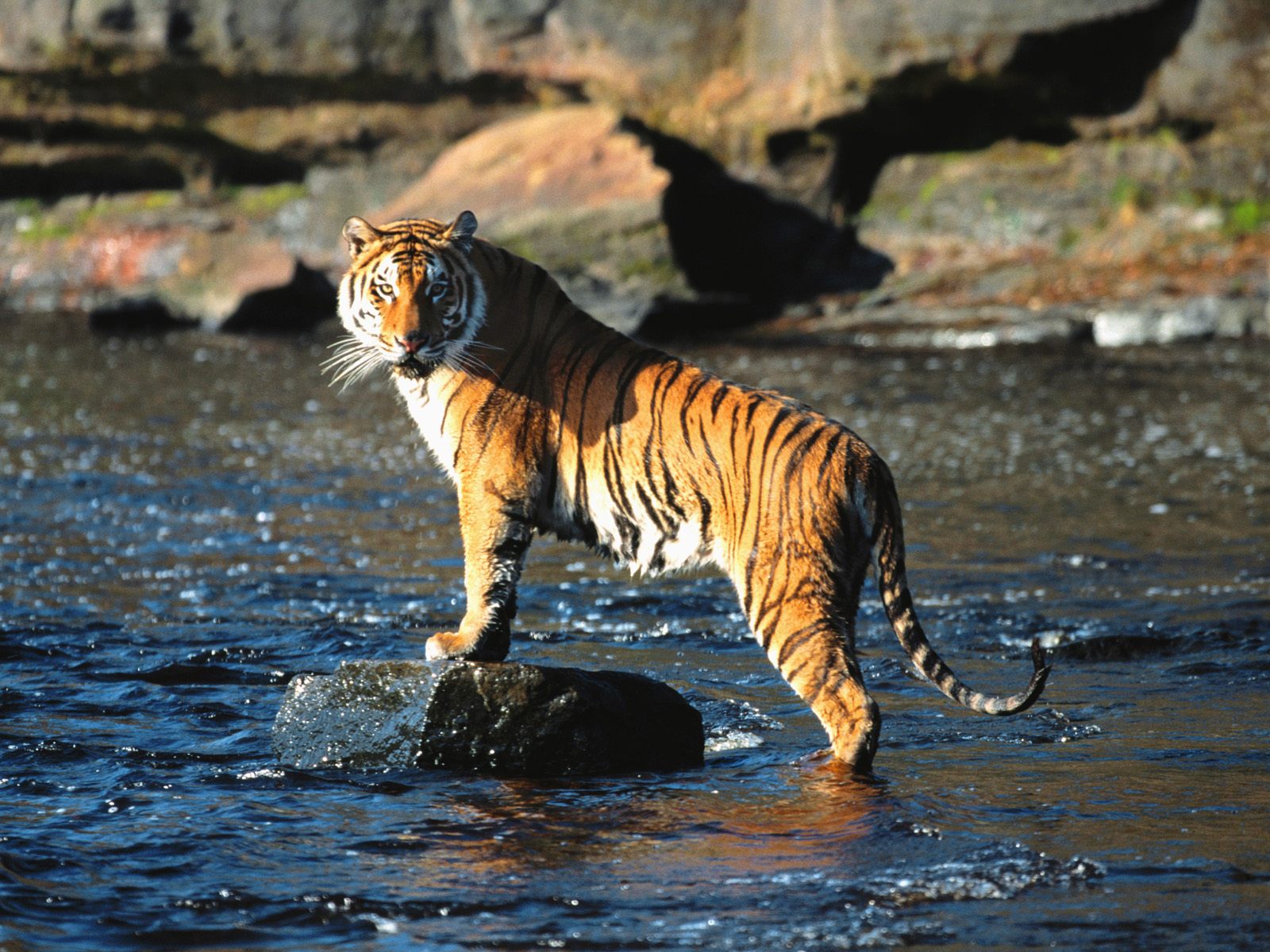
Sunderbans mystic beauty is augmented by the majestic ‘Royal Bengal Tiger’. This is the only tiger inhabited mangrove forest in the whole world. It is an enigma catching a rare glimpse of this majestic species. The mangrove forests of Sunderbans see a dazzling display of scores of mysterious and unique life forms with an amazing diversity.


A great variety of wildlife includes Estuarine Crocodiles, Olive Ridley Turtles, Gangetic Dolphins, Wild Boars, Chitals, Otters, Monitor Lizards, monkeys various kinds of fish, mollusks and snakes. An immense variety of birds like Kingfishers, Storks, Herons, Brahmini Ducks, Ibises, Water Fowls, Egrets, Seagulls, Pintails, Whistling Teals, Little Stints, Black tailed Godwits breed here.


Cruising in a boat to the Sunderban mangrove is a pleasure and a breath taking journey. As you move deeper into sunderbans it kept getting better. Thousands of meandering streams, creeks, rivers and estuaries have enhanced its charm. As the villages disappear you enter the home of the famous royal Bengal tiger.


It is the largest deltaic region in the world which is changing constantly in a series of stages. Sunderban is the product of tidal estuary. Here, in the hundreds of creeks & channels the sea water gets diluted with the inflow of fresh water from the rivers, thereby causing tidal fluctuations everyday. The mouth of the tidal creeks and drivers, where salt and fresh water is mixed in ideal proportion, show the greatest concentration of mangroves in Sunderbans.


The mangrove swamp provides an ambience of food and shelter to a wide range of both land & water organisms. Sunderban is full of scattered islands, the only link being boat. In truth; it is the land of the greenery. Nature apart, if you want to feel the essence of spirituality then this is the place to be.


The people have adapted themselves in sync with nature here. Their firm conviction in their destiny keeps them hale and hearty. They know that life is uncertain; they have the zeal to accept the challenge of life and are ever ready to combat and face any encumbrances. Their innocent spirit is not polluted by he sophisticated education. Their teacher is the nature. It is the natures which give them the impetus to face life and its problems.


A trip to Sunderbans is all about traveling all through the day through large and small rivulets, waiting for the low tide when the animal sighting chances are higher and admiring high tide when trees and land get covered with water. Criss-crossed by hundreds of creeks and tributaries and manifested by a dazzling display of vegetation like red leaves of Genwa, flowers of the Kankara and the Khalsi, Sunderbans is a land of natural wonders that unfolds its magic to allure and entice all.


In this dull and drab world you can have a scope to release the pangs of life by floating in the Bay of Bengal on the coast of Sunderban. Here is the nature’s bounty to make your mind spacious and broad enough to accommodate the seamy side of life.
. . .